New vs. used EVs: Costs, batteries and what to compare

This article explores the main considerations for drivers choosing between a new vs. used electric vehicle, including purchase price, batteries and depreciation. New EVs offer the latest technologies and support, while used models provide an accessible route into electric motoring. The right choice depends on your budget, driving habits and long-term priorities.
If you’re deciding whether to buy a used EV or a new model, advice can feel conflicting. Used EVs often cost less upfront, while new variants offer longer ranges and the latest tech. To decide which option best fits your needs and budget, you’ll need to compare costs, batteries, insurance and much more.
Not sure an EV is right for you? Start with the pros and cons of owning an electric vehicle. If you’ve already decided to go electric, this guide covers everything you should know before you choose between a new or used electric car.
Choosing a new vs. used EV: Factors to consider
Purchase price
Upfront electric car prices represent one of the biggest barriers to ownership. Brand-new EVs typically cost more, but used models are not always priced higher than equivalent petrol or diesel cars.
Across the latest models registered in the UK, new electric cars cost £41,078 on average. In April, the equivalent figure fell below petrol cars for the first time. Paired with a government-backed EV grant, drivers can save further on new models.
Buying a used electric vehicle can be a more affordable way to make the switch. While the average cost of a used EV has risen to £24,946, a year-on-year increase of 3.3%, upfront prices are offset over time by lower ownership costs.
Three-to-five-year-old electric vehicles represent the fastest-growing segment, with market share rising above 10%. This reflects high consumer confidence in the value of modern used EVs.
Maintenance and running costs
Associations of higher long-term costs also represent a major barrier to EV ownership. Data from our 2026 EV adoption report suggests that two in three drivers view ownership costs as higher than those of ICE vehicles.
In practice, running costs are broadly the same whether you buy new or used. A used EV can still cost more upfront than an ICE equivalent, but lower energy and maintenance costs can save you money over time. For a full breakdown, see our guide to electric vehicle costs over five years.
Range
Across drivers of new and used EVs, range anxiety is a prevalent concern. The EV market is evolving rapidly, and newer models often come fitted with the latest technology. As a result, buying a used EV may mean missing out on some of the most recent features.
However, electric range retention data is reassuring. Recent surveys carried out by Which? indicate that batteries manufactured in 2018 still retain up to 94% of their original capacity. Five-year-old EVs can still offer up to 95% of their as-new battery performance.
New EVs feature improved battery technologies such as enhanced thermal management and intelligent software. These can help to extend battery life and performance – and sometimes, they’re features you may not find in an older version of the same car.
New vs. used EV insurance costs
Insurance costs can vary between new and used EVs for several reasons. New models often carry a higher market value, underpinned by cutting-edge electric car technology. Used EVs can sometimes be cheaper to insure thanks to lower overall values, but battery condition and repair costs can increase EV insurance premiums.
Data from MoneySuperMarket indicates that in 2026, the average annual EV insurance policy costs £556. The age and mileage of your car may influence this figure, which is something to consider when choosing between a new or used EV.
Battery warranties and lifespan
Modern battery technology is advancing continually.
In addition to unprecedented range, manufacturer innovations now offer charging speeds of under ten minutes. Batteries are becoming increasingly dependable too: modern EVs are expected to clock 124,000 miles, a similar longevity to most petrol cars.
Most car manufacturers supply two electric car warranties: a basic one for the vehicle, plus one for the battery. The latter typically extends to 8 years or 100,000 miles of motoring, whichever comes first. It often covers the cost of battery replacements or repairs within that timeframe. If you're about to buy a used EV, it’s worth confirming that this warranty is transferable.
When you’re comparing used vs. new EVs, it’s worth checking the expected lifespan for the make and model. Older EVs may have slightly shorter ranges, but the differences are often minimal.
Battery health
Although battery degradation is gradual, several factors influence its rate. For example, frequent use of rapid chargers instead of standard charging can accelerate wear, particularly in older EV models.
While you can’t be certain of previous owners’ charging habits, there are ways to assess battery health before you buy a used EV:
- Independent battery health checks, offered by dealers
- Detailed battery diagnostics information, available via manufacturer apps
- The vehicle’s internal battery management system (BMS), which tracks and reports on battery life over time
Is battery lease still available?
Some older EVs were sold without a battery pack to help reduce the initial purchase price. Owners instead leased the battery separately from the manufacturer.
Most OEMs have phased out this scheme due to improved battery longevity. However, you may still come across leased-battery vehicles when buying a used EV. If you’re considering one, check whether the lease can be bought out, allowing you to convert car to ‘battery-owned’ status.
Charging differences between new and used EVs
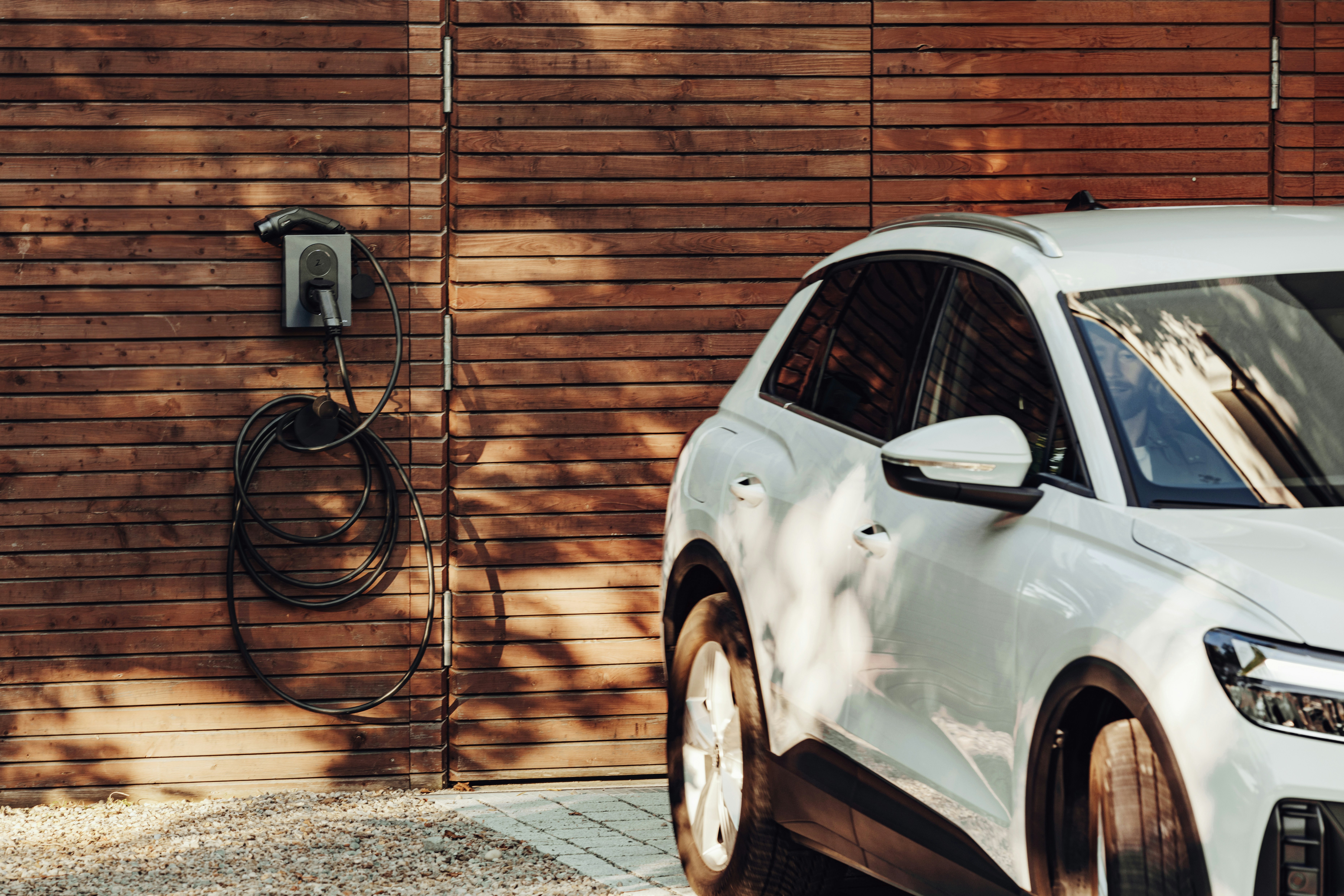
Charging at home works the same whether you buy new or used, but differences emerge on the road.
Some early used EVs have CHAdeMO charging ports, which are becoming less common as the public charging network moves towards other connector types. This can make public charging trickier, so check which connector a used model has before you buy.
Newer models typically support faster charging. A used EV is still highly practical for daily driving, but if you regularly cover long distances and rely on rapid charging, a newer battery may suit you better.
A note on depreciation
Like all vehicles, EVs lose value over time. They have historically depreciated faster than ICE vehicles, largely due to rapid technological advancements and misconceptions about battery lifespan.
But EV depreciation depends on various factors, including manufacturer, age and market demand. As consumer confidence grows and the electric car market matures, more consumers are choosing to buy a used EV. With demand for second-hand models increasing by 150% year-on-year, depreciation is slowing.
Many modern EVs now hold their value for longer. As with any other used car, it’s worth researching EV depreciation trends by model to understand potential resale value.
Making the choice: New or used EV?
Buying a used electric vehicle can be an excellent alternative to purchasing a new model, especially if you’re looking to reduce upfront costs. Used EVs provide a comparatively low-cost way to make the switch, offering similar sustainability benefits without the higher purchase price.
But for cutting-edge features and maximum electric power, new models come out on top. While used EVs may still carry a steeper price tag than their ICE counterparts, any form of electric motoring can still help drivers save money. This is largely thanks to lower long-term EV costs, alongside more affordable energy use and maintenance.
For more information about owning an electric car, visit the EV Hub by Cox Automotive Europe.
New vs. used electric vehicle: FAQs
Are used EVs reliable?
Yes. EVs generally experience fewer reliability issues than ICE vehicles, thanks to their simpler design and fewer moving parts.
How long do used EV batteries last?
EV batteries are designed to last 10-15 years before requiring replacement. Depending on the age of your used EV, the battery could last many more years after you buy it.
What are the benefits of buying a used electric vehicle?
Buying a used EV is typically more affordable than purchasing new, while still offering the key benefits of electric driving – lower running costs, fewer maintenance needs and zero emissions.
What should you check before you buy a used EV?
When buying a used electric vehicle, carry out the same checks as for any second-hand vehicle. You should ask about service history, interior and exterior condition, and book a test drive. In addition, confirm whether the battery is leased, review its health report and inspect the charging cables and sockets.
ICE vs EV: Performance, costs, and lifespan
We compare the differences between electric and petrol/diesel vehicles.
Electric vehicle costs: What to expect over 5 years
A breakdown of all the associated costs and potential savings associated with an EV.