EV range anxiety: Making sense of miles, range and charging

Early EV models often came with a common worry: Will the battery last the journey? Traditional range anxiety is changing as technologies improve – but may still be a barrier for prospective EV drivers. This article helps drivers to address EV range anxiety with practical tips on preserving long-term vehicle performance.
EV range anxiety in 2026
EV batteries get you further than ever before, but many drivers are still concerned about range.
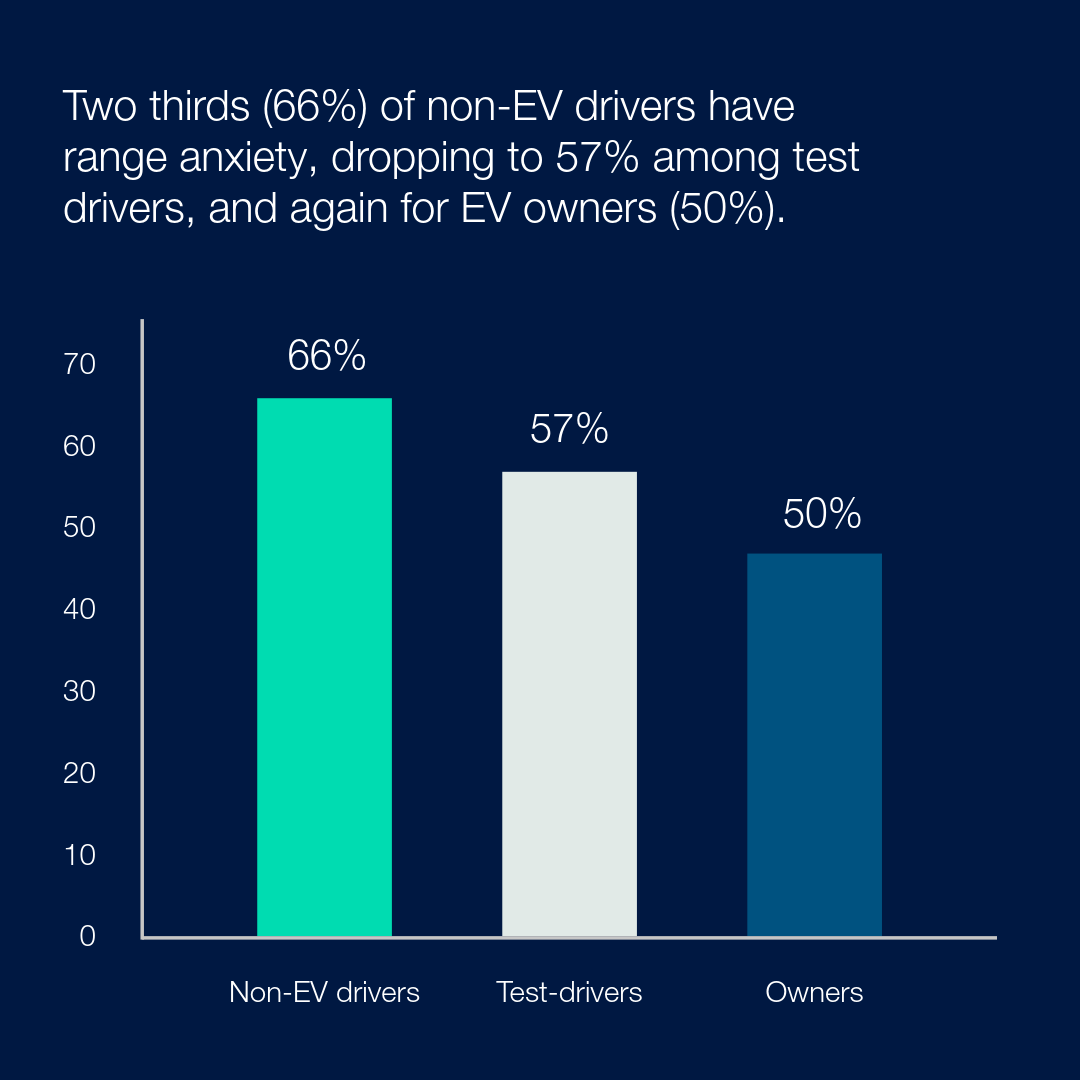
Our 2026 EV perceptions report found that two-thirds of non-EV drivers have range anxiety, the biggest barrier to making the switch. Yet modern EVs can travel further, have more advanced batteries and offer access to an expanding public charging network.
From understanding real-world range to planning longer trips, drivers can take practical steps to overcome range anxiety and get the most from their vehicle.
Key takeaways
- New EVs can travel over 300 miles on a full charge, but this varies by battery type and driving conditions.
- EV range has improved significantly, with newer models consistently outperforming their predecessors.
- WLTP range provides a standardised estimate, but real-world range performance can vary widely.
- The UK's public charging network is expanding, making longer journeys easier to plan.
- Drivers can maximise EV range and alleviate anxiety through smart charging, careful planning and more.
What is EV range anxiety?
EV range anxiety is the worry that an EV will run out of charge before completing the journey or reaching a charging point. It’s common amongst new and prospective EV drivers alike: our data indicates that at least 50% of current EV owners experience it too.
Average EV range in 2026
The average EV range in 2026 is more than 300 miles. With drivers typically covering around 127 miles per week, that’s more than double the average weekly distance driven.
Day-to-day, this gap is even wider. Data from the Department for Transport shows that the average individual car driver trip is only 22 minutes long. This is well within the range of modern EVs – meaning for most routine journeys, range isn’t a limiting factor.
How far can an electric car go?
In 2026, newer EVs now average at least 300 miles of range on a full charge.
This figure varies according to vehicle make and model and is typically determined by battery size and capacity. For example, smaller city cars with 30kWh batteries will have a lower range than large SUVs, which often have batteries over 100kWh.
Has EV range improved?
Yes. In 2026, BEV range typically falls between 250-500 miles, which is up to six times that of equivalent cars in 2016. Similarly, the International Energy Agency (IEA) found that average BEV range increased by 175% from 2010 to 2021.
How does EV range hold up over time?
Range anxiety is also influenced by how a vehicle’s range holds up over years of ownership, but the data is reassuring. A study published in Natural Energy found that EVs now average an 18.4-year lifespan covering up to 124,000 miles. In effect, today’s EVs are going further per charge and prove durable enough to deliver that range for years to come.
Capacity retention data backs this up further. EVs registered in 2018 can still retain up to 94% of their original capacity. For more detail on how and why batteries degrade, see our guide to EV battery lifespan.
EV range testing: What is WLTP range?
In the UK and Europe, official EV range figures are determined using the Worldwide Harmonised Light Vehicle Test Procedure (WLTP). The test takes place in a controlled environment to assess the vehicle’s performance across driving conditions.
WLTP became the mandatory framework for all new EVs in 2017. According to the ACEA, the test aims to mimic realistic driving conditions, including:
- Typical driver behaviour
- Realistic ambient temperatures
- Higher maximum and average speeds
- Dynamic acceleration and deceleration
Understanding how WLTP works can help to alleviate range anxiety. It provides a standardised estimate of expected performance, giving drivers a consistent reference point when choosing an EV.
Why is WLTP range different to real-world driving?
Drivers experiencing EV range anxiety may question how closely WLTP figures reflect real-world driving. Every vehicle is tested under the same conditions, but the testing laboratory cannot account for factors like:
- High motorway driving speeds
- Extremely cold weather
- Use of heating and air conditioning
- Passenger and luggage load
While WLTP results do not perfectly match every driver experience, they provide a benchmark and make it easier for prospective buyers to compare EV and ICE performance.
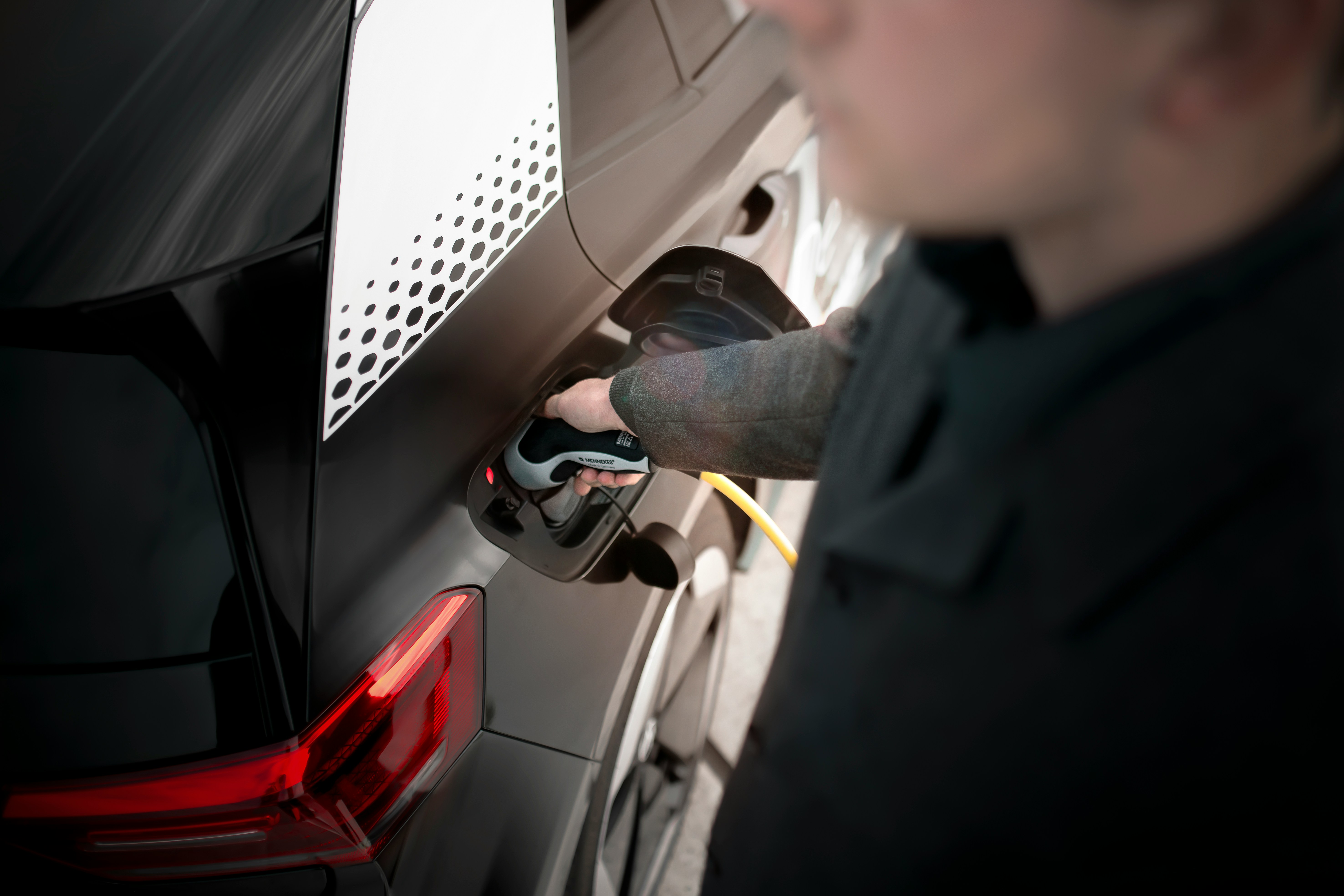
How to increase EV range and overcome range anxiety: Practical tips
Technological advances and high-performing batteries continue to alleviate range anxiety but being proactive matters too. By managing your daily charging and driving habits, you can maximise your EV’s range:
Don't rely on fast charging
Although convenient, frequent use of rapid and ultra-rapid charging may contribute to faster battery degradation. These chargers generate much more heat than slower AC chargers, and repeated stress may gradually reduce capacity and therefore decrease available range.
Use regenerative braking
While slowing down, electric and hybrid cars reclaim energy that would otherwise be lost. This is known as regenerative braking and, in most EVs, drivers can adjust the level and intensity.
Setting regenerative braking to the maximum level will help your EV to capture and reuse as much energy as possible, protecting range and reducing range anxiety.
Charge smart, at home
If you drive your EV every day, you should avoid keeping it in an extreme state of charge (SOC) – typically either below 20% or above 80%. If the battery is frequently kept at nearly empty or near-full charge levels, degradation speeds up. Charging up to 100% is generally not advised.
Let your EV charge throughout the evening, but ideally not overnight. If you have a smart home with energy management features, you can use smart charging to optimise your car’s battery health, energy use and range.
Plan your journey
Stop-start traffic and steep country roads place greater demands on EVs. As the car draws more power from the battery, range can drop faster than it might on a smoother journey.
Avoid rush-hour traffic and use main routes wherever possible. Use in-car navigation systems to help plan charging stops on longer journeys.

Will EV range anxiety change in future?
Concerns over charging infrastructure are starting to reframe EV range anxiety.
Data from Zapmap shows that as of July 2026, there are 122,724 charging points for more than 2.1 million fully electric cars in the UK. That’s around one charger for every 17 EVs.
As drivers gain confidence in vehicle performance, they rely more intensely on the public charging network. Amid increasing demand, new challenges arise with charger availability and proximity. Charging compatibility concerns and a greater need for universal charging points may soon replace range anxiety for some drivers.
Hear from an EV industry expert
Richard Price, Head of Business Development at Cox Automotive Europe, discusses how improving battery technology is changing perceptions of EV range and charging.
Listen to the full conversation on Talk Auto, the Cox Automotive Europe podcast →
Leaving range anxiety behind
In 2026, overcoming EV range anxiety is often a matter of experience.
Our data shows that confidence grows with familiarity, which builds a promising picture for long-term EV adoption. While around half of drivers still report experiencing range anxiety, knowing a vehicle’s range and charging needs can help to reduce those concerns over time.
With powerful batteries and constant improvements in charging infrastructure, EVs are now increasingly suited to long-distance travel and daily commuting. Drivers who take a careful approach to driving and charging can maximise their range for every journey.
For more advice on driving and owning an EV, including vehicle safety and public charging, browse the Cox Automotive Europe EV Hub.
EV range anxiety FAQs
How does battery degradation affect EV range?
Over the course of its lifecycle, all batteries lose its full capacity to store and deliver power. EV batteries tolerate heat and pressure with every charge cycle, and day-to-day driving also causes gradual wear.
For some drivers, concerns over degradation can trigger EV range anxiety. However, this decline happens very slowly. For the average motorist, it’s unlikely to cause any noticeable or routine drops in EV range.
Is EV range anxiety real?
In 2026, drivers still experience range anxiety, but drivers increasingly have an optimistic outlook on vehicle performance. Ranges are improving and the reality is that these vehicles can comfortably get most drivers where they need to go.
How often do electric cars run out of charge?
Running out of charge is preventable. Drivers receive progressive warnings on the dashboard, which start at 20% battery remaining and become more persistent as the battery drains towards 10%.
Flat batteries account for roughly 1.4% of all EV-related callouts to the AA, with the proportion of EVs running out of charge falling by at least 80% in an eight-year period.
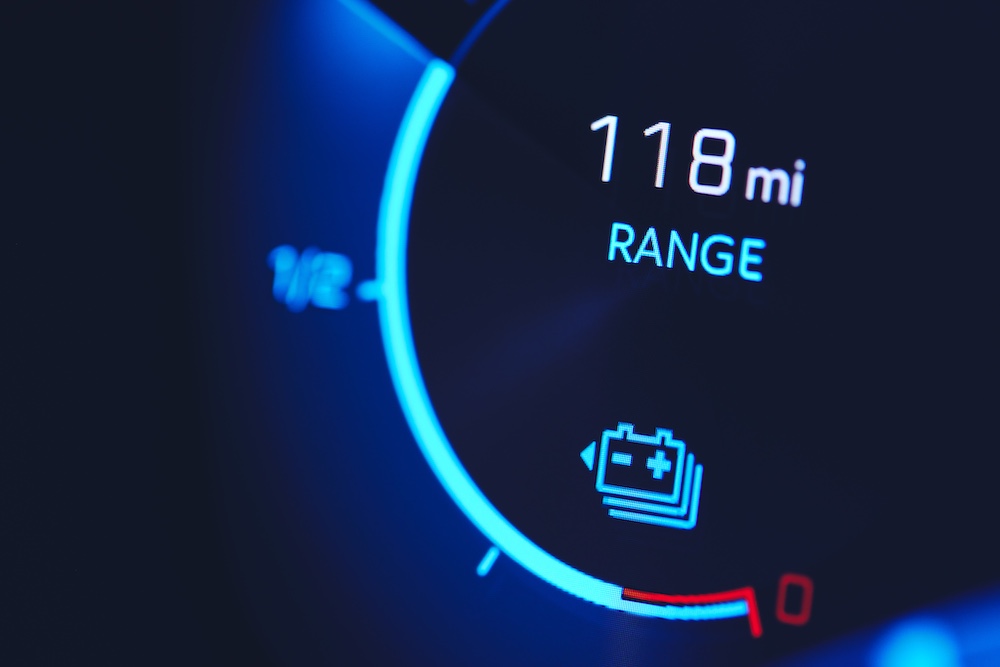
How long do EV batteries last? EV battery lifespan explained
Learn how long EV batteries last, what impacts EV lifespan vs ICE, and how to protect battery capacity, performance, and long-term reliability.