How long do EV batteries last? EV battery lifespan explained

Modern EV batteries are built to last. Research suggests that over their lifetime, they can cover up to 124,000 miles. As various factors influence long-term performance, battery technologies continue to improve. This guide explores how long EV batteries last, what causes degradation and how drivers can maximise lifespan.
Understanding EV battery lifespan
For anyone who drives or wants to buy an electric vehicle, battery lifespan is a priority.
Our data found that in 2026, at least one in five EV owners were concerned about battery lifespan, with this figure rising to three in five among non-EV drivers. However, newer EVs maintain impressive long-term performance levels. Modern battery systems paint a different picture of reliability, with average EV range also increasing exponentially.
EV battery lifespan is also influenced by various factors. These include:
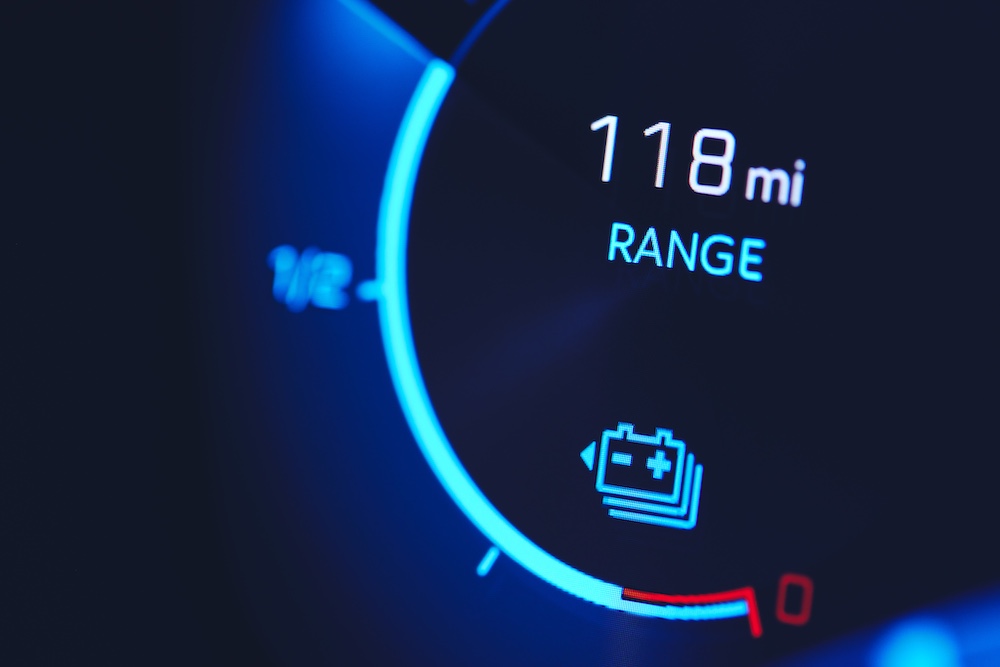
How long do EV batteries last on average?
Modern EV battery packs last for up to 20 years if properly cared for.
Many also come with a reassuring eight-year manufacturer warranty. As repair and remanufacturing technologies continue to develop, EV batteries can remain in service for longer. Newer models also preserve most of their original capacity for several years.
How does EV battery capacity change over time?
Total EV battery capacity describes the total amount of energy the battery can store, measured in kilowatt-hours (kWh). Not all total capacity is available for driving, because manufacturers keep a small protective 'buffer' to support battery health.
All lithium-ion batteries experience degradation, meaning they gradually hold less charge. However, recent Which? survey results indicate that this process is slow:
EVs first registered in 2018-19 retained an average of 94% of their original range, compared with 95% for those registered in 2020-23 and up to 97% for the 2024-25 cohort.
The degradation difference is minimal, offering encouraging evidence of enhanced EV battery lifespan. Battery durability is expected to improve as manufacturers develop new materials. Affordable, rechargeable alternatives to lithium-ion cells are already being tested, including sodium battery prototypes.
Along with extending battery life, these advancements could help to lower the cost of EV ownership and boost confidence in long-term value.
How does EV range retention decline in comparison to battery degradation?
An EV's range is linked to battery degradation. As the battery ages and its capacity gradually decreases, the total distance your vehicle can travel on a full charge slowly reduces.
For instance, if your EV originally had a 50-kWh battery and a range of 200 miles, a 5% loss in capacity over five years would reduce the battery to 47.5-kWh and range to roughly 190 miles.
This is a slow, predictable decline and part of normal battery lifespan, only having a modest impact on long-term EV performance.
What affects EV battery lifespan?
Several interconnected factors can shorten or extend EV battery lifespan. Some are built into the vehicle, while others are influenced by how it is driven or maintained.
Charging practices, driving habits, environmental conditions, battery chemistry and software management all affect the rate of battery degradation. Together, these ultimately determine how long EV batteries last:
Charging practices
How you charge your EV impacts long-term battery health. Occasional rapid charging is unlikely to cause lasting damage, but relying on ultra-fast charging too regularly can have a negative impact.
Fast charging generates more heat, which puts additional stress on the battery components. Following a few best charging habits can help minimise stress and maintain range retention:
- Use compatible charging infrastructure, including plugs and charge points designed specifically for your vehicle
- Only use ultra-fast chargers sparingly, like on longer journeys when you need a quick top-up
- Keep the battery between 20% and 80% for driving to avoid extreme states of charge
- Don’t stay at 100% or 0% for extended periods, and for long journeys, set off soon after charging
Driving habits and vehicle load
EV batteries typically deplete faster under higher loads, which can result from harsh acceleration and high-speed driving. Paired with inconsistent charging practices, these factors can increase heat and the rate of wear and tear.
Fortunately, protecting your EV battery while driving is straightforward. You should:
- Accelerate gently
- Maintain constant, moderate speeds
- Brake gradually, not harshly
Temperature and climate
Extreme temperatures can affect electric vehicle battery lifespan.
In sub-zero conditions, chemical reactions inside the battery slow down. Drivers often increase cabin heating in cold weather, which can cause EVs to lose range faster and require more frequent charging. In hot weather, charging speeds may be limited to protect the battery from overheating.
Modern EVs use thermal management systems to regulate battery temperature. These technologies ensure that any lasting weather-related impacts are minimal, but drivers can also be proactive.
To protect your EV from extreme weather, you should:
- Park in the shade or underground during hot weather spells
- Use a garage or vehicle cover during winter
- Limit charging during extremely hot weather
- Leave your EV plugged into its smart charger overnight to maintain active thermal management, even when not in use
Battery chemistry
Battery chemistry, which describes the materials used inside the battery cells, can impact lifespan. There are two common types of EV battery chemistries:
- Lithium iron phosphate (LFP):
LFP is a stable choice that can handle higher states of charge. These packs generally last longer and tolerate frequent charging, making them well-suited to high-mileage drivers.
- Nickel manganese cobalt (NCM/NMC):
NCM battery packs provide higher energy density, which means more miles for your money. However, they are typically more prone to chemical wear, which means they may degrade faster than LFP batteries.
Both battery chemistries are still designed to last years, and they’re supported by battery management systems (BMS) across the entire battery lifecycle.
Software management
Software and battery management systems (BMS) also shape longevity by managing the state of charge, temperature, and charging speeds. By keeping cells in their optimal window and reducing stress over time, BMS can:
- Prolong operational EV battery lifespan
- Balance individual cells to maintain and improve performance
- Detect battery faults early
- Regulate charging and temperature
Regularly updating the software on your EV helps the BMS to maximise and protect battery health across the vehicle lifecycle.
EV battery lifespan outlook
If you’re ready to make the switch, the data is reassuring.
Modern EV batteries are proving far more durable than early adopters expected. Thanks to advances in battery chemistry, software and thermal management, most drivers will only experience gradual capacity loss over many years.
To support your EV’s battery health, follow best practice charging habits and store your vehicle away from harsh weather conditions where possible. For more guidance on used EVs, including servicing, charging and safety, explore the EV Hub by Cox Automotive Europe.
EV battery lifespan FAQs
How long do EV batteries last before needing replacement?
Modern EV batteries are engineered for durability, with studies showing an average lifespan of 18.4 years. With proper maintenance and care, EVs can travel well beyond 100,000 miles before a replacement battery is needed.
What warranty do EV batteries come with?
EV battery warranties vary by manufacturer but typically cover 8 years, or up to 100,000 miles. These warranties protect against unexpected faults and often cover excessive battery degradation. Always check your manufacturer’s terms to see what level of battery health protection is included.
Can an EV battery be repaired?
Yes. Manufacturers work with trade partners so that EV batteries can be repaired rather than replaced. Specialist technicians isolate and fix individual modules, which helps to support the circular economy and keep EVs sustainable.
Can an EV battery be recycled?
Yes. Many EV batteries can be recycled, and this helps to recover valuable raw materials like lithium and cobalt. After undergoing leaching or smelting, extracted materials can be repurposed into new cathodes.
How much does a replacement EV battery cost?
The cost of an EV battery replacement depends on the make, model and battery capacity. Replacement batteries can cost up to £8,000 if they are not covered by warranty, but costs are falling as technology advances.
Does software influence EV battery life?
Yes. Keeping your EV’s software updated plays a key role in battery health monitoring and protecting battery lifespan. Software updates help your vehicle manage charging habits and temperature effects, such as automatically pre-heating or cooling the battery to maintain efficiency and preserve EV battery capacity.
Does frequent fast charging reduce battery life?
Yes. Frequent use of rapid or ultra-rapid chargers can contribute to faster chemical wear, potentially shortening how long your EV battery lasts. To protect battery health and support long-term EV performance, use slower home charging where possible, maintain your battery between 20% and 80% for daily use.

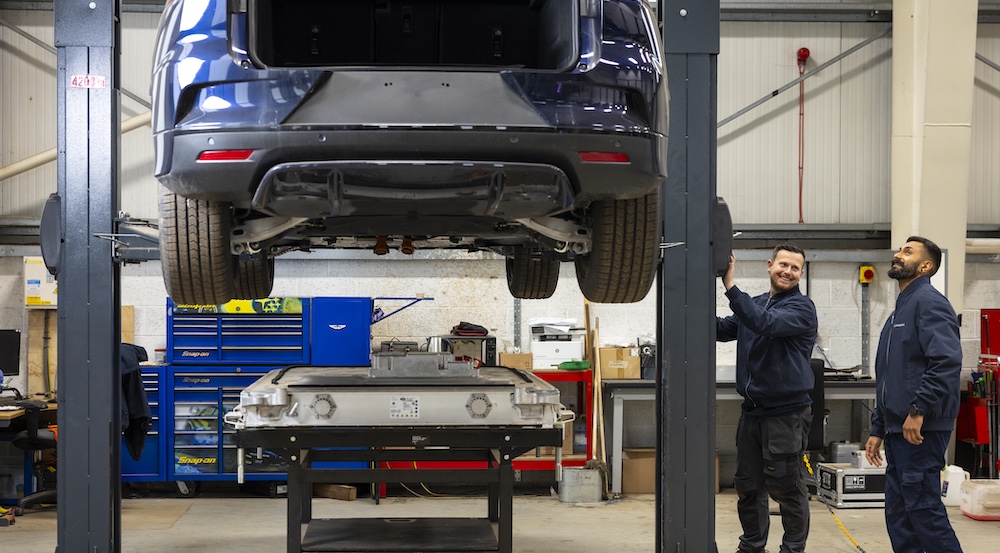
EV service guide: Costs, checks, and tips for owners
Answer your biggest EV servicing FAQs, find guides to EV servicing costs, and learn new EV best practices.
Should I buy a used EV? Pros and cons of new vs used electric vehicles
A simple guide to choosing between a new or used EV.