Vehicle-to-grid (V2G): How EVs will power the energy transition
Vehicle-to-grid (V2G) technology enables electric vehicles to store and return energy to the power network. As EV adoption accelerates in the UK, V2G and wider vehicle-to-everything (V2X) solutions are positioning vehicles as flexible energy assets that support grid stability and renewable integration.
Electrification is reshaping the UK automotive landscape, with fleet adoption in particular accelerating as organisations pursue cost efficiencies and sustainability goals. As electric vehicle numbers rise, pressure on the UK power system is also increasing, meaning managing demand is now a central challenge for both the automotive and energy sectors.
This is where vehicle-to-grid technology enters the conversation. Often referred to as V2G, the concept means electric vehicles (EVs) can operate as distributed energy resources, capable of storing electricity and feeding it back into the grid when required.
Closely linked to this is vehicle-to-everything (V2X), a broader ecosystem of technologies that enables EVs to interact with homes, buildings and infrastructure. Together, these capabilities could play a significant role in supporting UK energy, improving power grid resilience and helping organisations progress towards net zero targets.
What is vehicle to grid (V2G)?
At its simplest, vehicle-to-grid refers to the ability for an electric vehicle to both draw electricity from the grid and return unused energy back to it. The term vehicle-to-grid highlights this two-way relationship between vehicles and energy networks.
This is made possible through bidirectional charging, which allows electricity to flow in both directions. Rather than EVs solely consuming power, they become part of a flexible network of EV energy storage assets that can support the wider system.
Combined with smart charging technology, V2G enables charging patterns to be optimised based on energy demand and pricing signals, supporting a flexible and more stable energy management system.
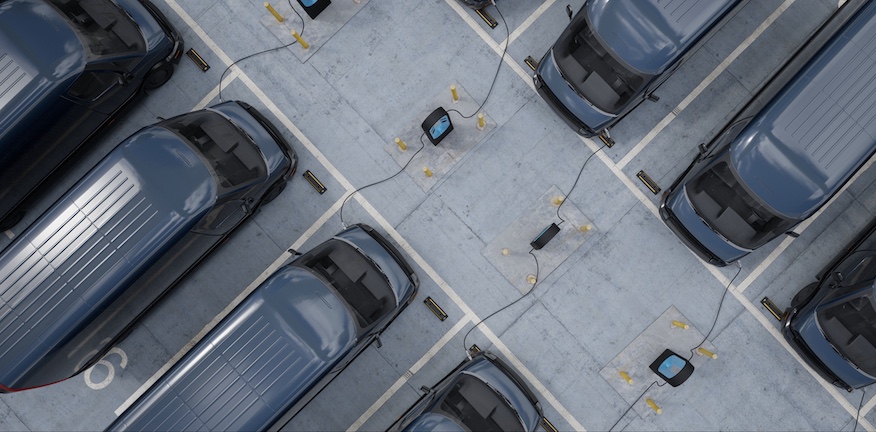
From grid to vehicle to a two-way energy flow
Historically, EV charging has operated through a simple grid-to-vehicle model, where electricity flows one way from the network to the battery. While effective, this approach offers limited flexibility for managing peak energy demand.
The emergence of EV two-way charging changes this dynamic significantly. When vehicles can export stored energy back to the grid, they support a power system with improved demand response and flexibility.
Two-way energy flow allows operators and energy providers to balance supply and demand more efficiently. During periods of peak consumption, aggregated EV batteries can support grid stability. When demand is lower, vehicles recharge, helping to smooth fluctuations across the network.
How vehicle to grid V2G technology works
The development of vehicle-to-grid technology relies on a combination of hardware, software and advanced energy management systems. Together, these components allow vehicles to communicate with charging infrastructure and the electricity grid.
Bidirectional chargers manage energy transfer between the vehicle battery and external networks, while software platforms monitor charging behaviour, battery status and grid requirements. These platforms can aggregate multiple EVs, enabling fleets to operate as coordinated distributed energy resources that contribute to grid balancing.
However, challenges remain around scaling V2G solutions. Compatibility between vehicles, charging hardware and grid management systems will be essential to ensure seamless integration and unlock commercial opportunities across the automotive and energy sectors.
Vehicle to grid charging and the role of the charger
Unlike conventional infrastructure, vehicle-to-grid charging requires specialised hardware. A vehicle-to-grid charger must support bidirectional energy flow and advanced communication protocols that allow vehicles to interact with external energy management systems.
Not all EVs and chargers are currently compatible with V2G functionality. Vehicle architecture, battery design and software capability all influence whether V2G participation is possible.
From an installation perspective, organisations must evaluate power supply constraints, operational dwell times and charging strategies. Integrating smart charging technology alongside V2G capability will be key to maximising both cost and operational efficiencies.
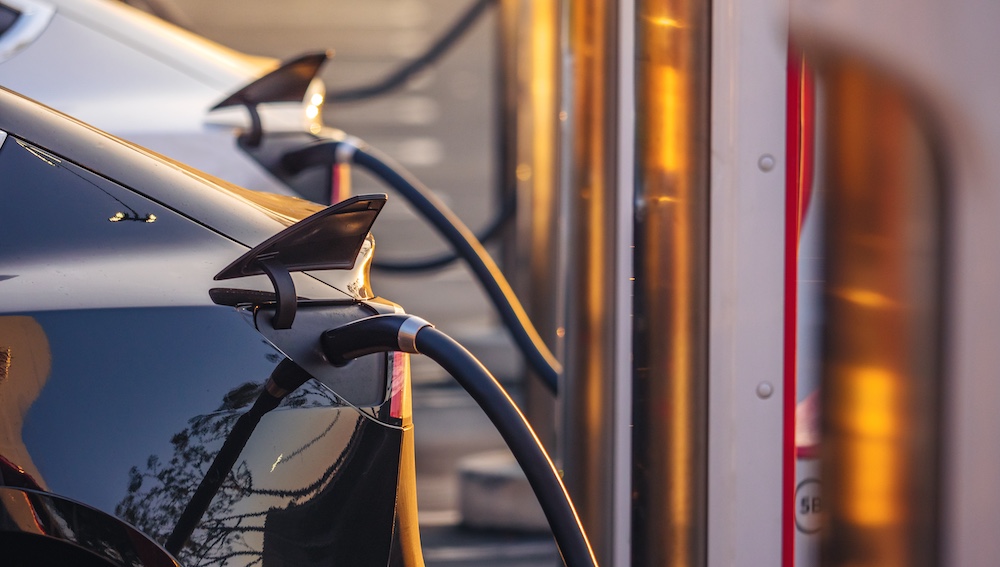
What is vehicle to everything (V2X)?
Vehicle-to-everything (V2X) is the umbrella term describing technologies that allow EVs to exchange energy with multiple endpoints beyond the grid. It represents a broader framework supporting low carbon transport and energy system decarbonisation.
V2X includes several sub-categories:
- Vehicle-to-home (V2H): EVs supply stored energy to residential properties
- Vehicle-to-building (V2B): Vehicles support commercial or industrial energy demand
- Vehicle-to-grid (V2G): Vehicles export energy directly back to the electricity network
Within this ecosystem, V2G is often viewed as the most scalable and impactful application due to its potential to support national energy infrastructure.
The role of EV energy storage in the UK energy transition
As battery capacity across vehicle fleets expands, the success of the UK’s energy transition will be determined by its EV energy storage capabilities. Large volumes of connected EVs can play a key role, operating as flexible storage networks, supporting renewable energy integration and improving power grid resilience.
Renewable generation sources such as wind and solar often produce energy intermittently. EV batteries can absorb excess generation during periods of high supply and release energy when output drops or demand increases. This capability reduces strain on traditional energy generation sources.
Through a vehicle-to-grid system, EVs can contribute to balancing supply variability and help stabilise future energy systems increasingly reliant on renewable generation.
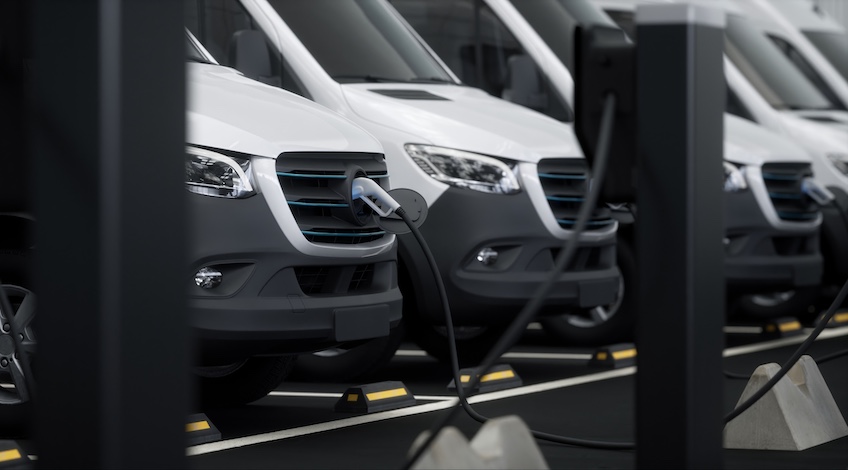
Opportunities and challenges for fleets
The vehicle-to-grid market presents significant potential for fleet operators in the UK. Commercial fleets often have predictable usage patterns and extended dwell times, particularly at depots, making them well suited to fleet energy management strategies incorporating V2G.
Fleet vehicles connected to V2G infrastructure can generate additional value streams through participation in grid services and demand response schemes. However, several challenges remain. Organisations must consider operational planning and potential battery degradation when integrating V2G into their operations.
What needs to happen next for V2G and V2X to scale
For vehicle-to-grid and V2X solutions to be effective, industry-wide collaboration will be essential. Standardisation across vehicle platforms, charging infrastructure and communication protocols will improve interoperability, scalability and commercial viability.
Vehicle compatibility must continue expanding as OEMs integrate bidirectional capability into future EV platforms. Meanwhile, regulatory clarity and market incentives will play an important role in encouraging adoption and unlocking value for operators.
Ultimately, scaling V2G will depend on strong market signals that reward energy flexibility and recognise the role EVs can play in supporting broader decarbonisation strategies.
Why vehicle to grid matters for the future of UK energy
The evolution of vehicle-to-grid technology signals a fundamental shift in how electric vehicles interact with the energy system. Rather than acting solely as electricity consumers, EVs have the potential to become active contributors to energy infrastructure.
As the vehicle-to-grid UK market develops, V2G and the wider V2X ecosystem are expected to play an increasingly important role in supporting renewable energy integration, improving power system resilience and helping organisations meet net zero targets.
To stay ahead of these developments and understand their impact across the automotive landscape, explore our EV Hub for insight covering electric vehicle adoption, infrastructure, technology and more.
2026 UK EV adoption and perceptions report
Our 2,000+ UK driver survey shows how experience is driving EV confidence and shifting purchase intent.
EV trends 2026 – Industry predictions shaping the future of electric vehicles
From policy shifts to pricing pressures and sustainable scalability, discover the EV trends 2026 shaping electrification across the UK and Europe.