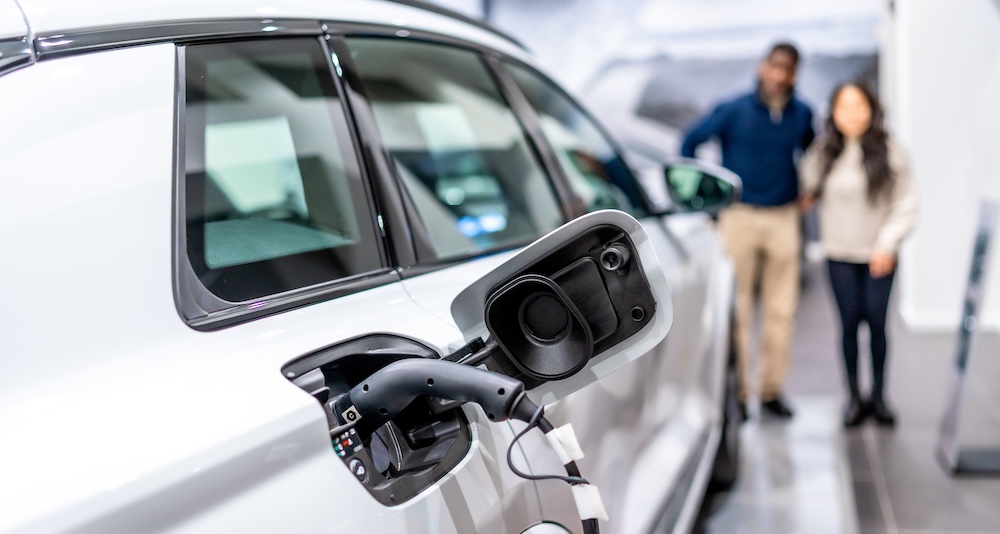
Unlocking new revenue with EV aftersales

EV aftersales covers the service, diagnostic and maintenance support provided to electric vehicle drivers. Scheduled servicing is less frequent overall but extra weight, battery care, instant torque and regenerative braking require specialist checks to maintain EV performance. These new revenue lines make EV aftersales a shifting opportunity for dealers.
Due to fewer moving parts, electric vehicles need less frequent servicing than petrol or diesel cars. Most manufacturers set EV service intervals at around 18,000 miles, roughly double the 9,000-12,000 miles typical for a petrol car.
At first glance, this can cause dealers to believe that electrification is bad news for their aftersales revenue. The reality, however, is that EV aftersales presents new opportunities to build revenue streams. This guide sets out exactly what those opportunities are.
EV aftersales support explained
EV aftersales covers everything a dealer does to maintain, service and support an electric vehicle once it has been sold.
The work looks different to that of an internal combustion engine (ICE) vehicle. Both EVs and ICE vehicles need tyre, suspension, brakes - and depending on the vehicle - connected technology maintenance. Yet, the traditional mechanical servicing like oil changes, fuel systems and exhaust checks essential for petrol and diesel vehicles, don’t exist for EVs.
The requirements of tyre and suspension wear, brakes and battery health are also different in EV servicing, due to the extra weight, the role of the battery and use of regenerative braking.
Separating ICE and EV maintenance into two service models rather than a smaller version of the traditional service, is where the opportunity lies.
Tyre and suspension maintenance
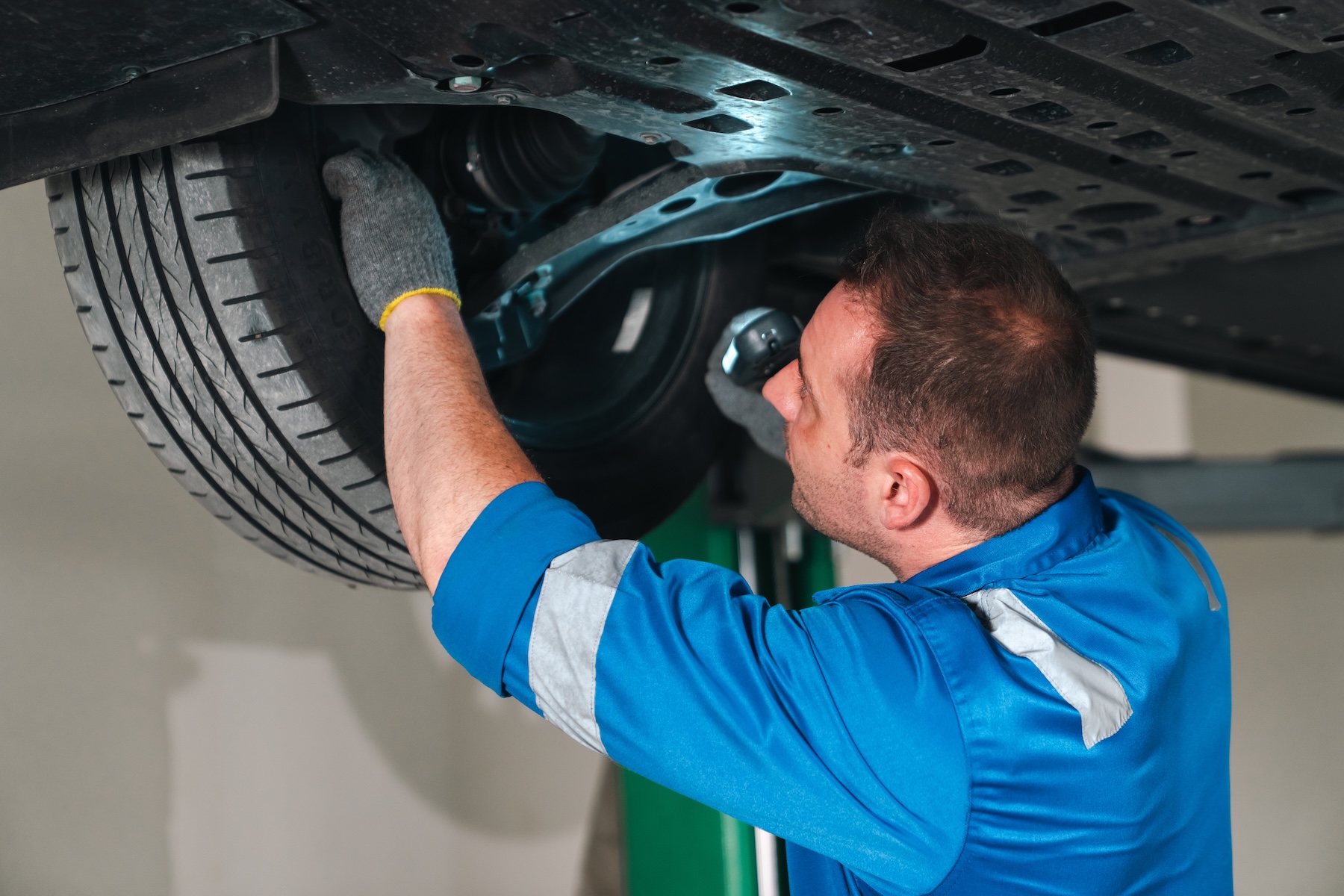
EVs can wear out tyres up to 20% faster than ICE equivalents, driven by the combination of extra weight and the instant torque electric motors deliver from a standstill. Suspension components face the same added strain, meaning they’re more prone to misalignment.
Considering that EV servicing cycles are longer, the vehicle’s Tyre Pressure Monitoring System (TPMS) is designed to alert the driver if additional support is needed in between dealer visits.
The opportunity here lies in providing a reliable and readily available service that supports the customer in those reactive moments following a TPMS alert. Whoever makes it easiest to act on an alert captures the revenue.
Offering a proactive interim check could also be worth building into your offering. It builds relationships by pre-empting a customer’s needs and helping them stay on the road with minimal downtime.
This would cover:
- Replacement tyres if required
- Tyre rotations
- Wheel alignment and balancing
Regenerative braking
Electric vehicles use regenerative braking, reducing brake wear while also charging the battery.
When drivers lift off the accelerator, the electric motor runs in reverse. This creates a generator function which charges the battery, while slowing the vehicle down before the brakes are even in use.
That reduced brake use is what causes less wear, meaning EV brake pads commonly last longer than ICE vehicles. Electric vehicles therefore see fewer brake-related failed MOTs - approximately 71% less than petrol vehicles, according to recent analysis of UK MOT data.
Brake corrosion and seized components, however, are not protected by less wear. In fact, reduced brake usage means less opportunity for the brakes to self-clean which can lead to quicker rust build up. For dealers, the opportunity lies in ensuring corrosion inspections are a distinct line in the EV service.
Battery health
Battery health checks are an integral part of an EV aftersales service. With many consumers concerned about the average lifespan, they want to understand capacity and efficiency at regular intervals.
Regular battery health checks with personalised charging advice are a clear revenue opportunity for dealers. Because battery capacity and degradation change gradually over time, this isn’t a one-off check. Showing customers battery capacity, degradation and charging habits clearly and upfront builds trust in one of the biggest sources of EV hesitancy, giving dealers a legitimate chance to be that recurring point of contact.
EV Battery Solutions specialises in battery diagnostics and management, helping to fill that expertise gap without needing to build it in-house.
Connected car technology
Both EVs and modern ICE vehicles have plenty of software, from infotainment and driver-assistance to over-the-air updates.
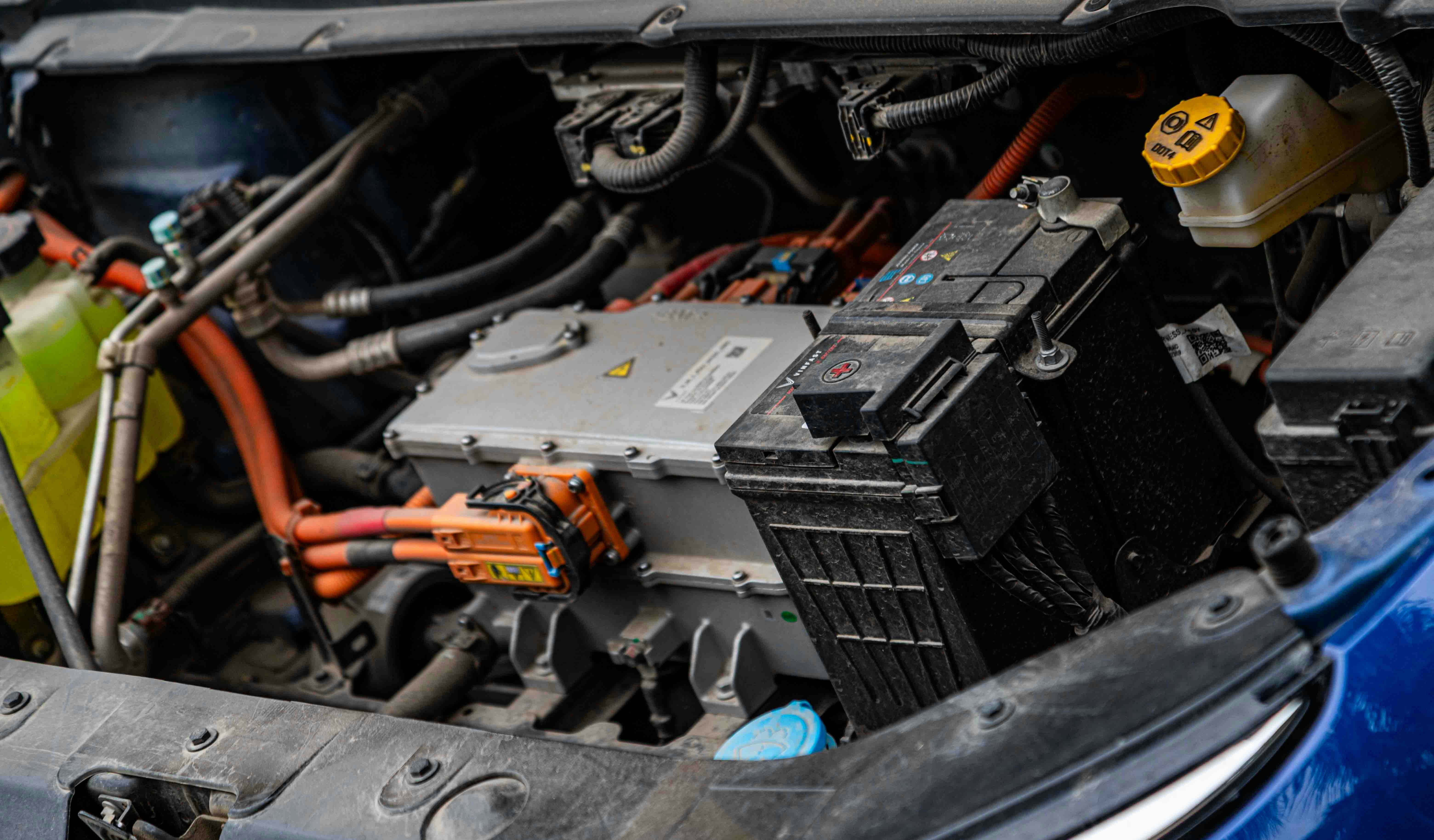
However, in EVs the software touches how the car actually performs, including charging behaviour, range and regenerative braking response. That’s because propulsion and battery systems is software-managed with nothing mechanical to fall back on.
That depth opens essential service lines:
- Over-the-air (OTA) updates
Because electric vehicle updates are more likely to change core performance, dealers can build revenue by offering connectivity audits, update support and guidance on what the updates change for driving and charging.
- Cybersecurity
With more of the vehicle’s core function running on software, cybersecurity is a critical EV aftersales stream. That includes checking for vulnerabilities, guiding customers on protecting their data and providing secure update procedures.
- Connected diagnostics
EVs generate a steady stream of data to support their battery management system, including battery performance, charging behaviour and driving patterns. Alongside AI, that data supports other revenue streams through predictive EV maintenance. Using telematics, dealers can monitor issues remotely and schedule proactive servicing before faults impact drivability.
Turning EV aftersales into recurring revenue streams
EV adoption means traditional servicing needs are declining, but that doesn’t make aftersales a shrinking market.
From tyre and suspension monitoring to brake care and connected diagnostics, dealers can build long-term customer engagement and recurring revenue through a new EV aftersales model.
As Antonia Stephenson of EV Battery Solutions said on a recent episode of our podcast, Talk Auto: the real fight for EV market share will be “won or lost in the used vehicle market and in the aftersales space”, not on the forecourt.
For more on how electrification is reshaping dealer strategy, explore the rest of our EV hub.
EV aftersales FAQs
What does EV aftersales mean?
EV aftersales covers everything a dealer does to service, support and maintain an electric vehicle after it’s sold. This includes tyre and suspension care to handle the additional weight and instant torque, connected vehicle diagnostics and battery health checks to maintain battery performance and protect lifespan.
Do electric vehicle tyres wear out faster than petrol and diesel cars?
Yes. Research from Emissions Analytics found that for every 500kg of extra vehicle weight, which is roughly the mass of a large battery, tyre wear increases by around 21%. Instant torque delivery from the electric motor also adds to tyre wear on top of the weight effect.
Do EV brakes wear out faster or slower than ICE vehicles?
Generally, EV brakes wear out slower. Regenerative braking means EVs rely on friction brakes far less than a petrol or diesel vehicle, so the pads and discs last longer. However, underused brakes can corrode or seize instead, meaning EV brake checks are as much about corrosion as pad thickness.
Does EV adoption mean the aftersales market is shrinking?
No, its shifting. Combustion-specific maintenance like oil changes and fuel systems disappear, but tyres, suspension and battery health checks all create new revenue lines.

EV vs. ICE: Depreciation and residual values explained
Discover how EV residual values compare with ICE, what’s driving the shift and what this means for the industry.
2026 UK EV adoption and perceptions report
Our 2,000+ UK driver survey shows how experience is driving EV confidence and shifting purchase intent.