Euro 7 explained: What it means for the automotive industry

The automotive industry is no stranger to tightening emissions regulations, but the introduction of the Euro 7 standard represents another shift in how vehicle environmental performance will be assessed across Europe.
While much of the attention around decarbonisation has focused on electrification, Euro 7 demonstrates that regulators are also targeting the environmental impact of all vehicle types, with the new framework expanding the scope of compliance beyond traditional tailpipe emissions.
This article explores what changes under Euro 7 and when they take effect.
What is the Euro 7 standard?
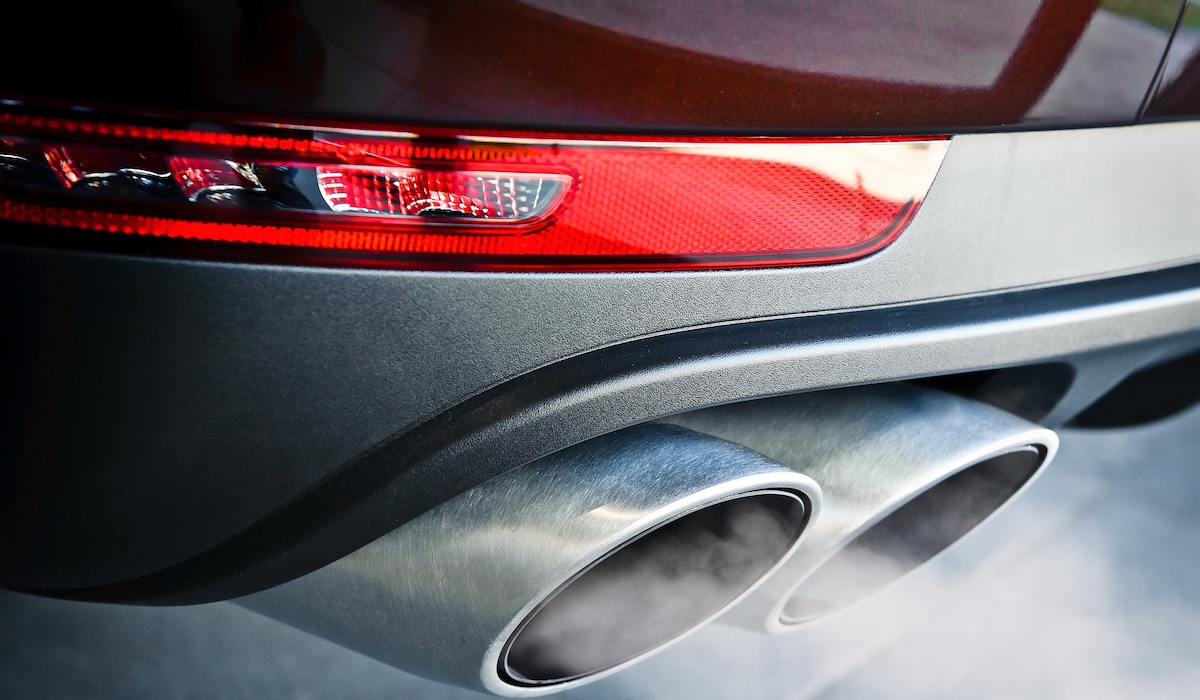
The Euro 7 standard is the European Union’s latest framework for regulating vehicle emissions. It will gradually replace the existing Euro 6/EuroVI regime for passenger cars, vans, buses and heavy-duty vehicles.
Its primary objective is to reduce harmful pollutants that affect air quality, including nitrogen oxides (NOx), carbon monoxide (CO), particulate matter (PM) and other pollutants associated with road transport.
However, unlike previous versions, Euro 7 is not simply another incremental reduction in exhaust emission limits. The regulation introduces a broader approach to vehicle environmental performance by considering how vehicles behave in real-world conditions and how they perform throughout their operational life.
Crucially, Euro 7 does not ban internal combustion engines. Petrol and diesel vehicles can continue to be sold, provided they meet the required standards.
What is the difference between Euro 6 and Euro 7?
The most significant distinction is that Euro 7 expands regulation beyond tailpipe emissions.
Under Euro 6, compliance focused primarily on laboratory testing, with Real Driving Emissions (RDE) testing introduced to improve the correlation between laboratory and on-road performance. Euro 7 goes further by requiring vehicles to maintain compliant emissions performance across a wider range of real-world operating conditions, including more extreme temperatures, shorter trips and varying driving patterns.
In addition, Euro 7 introduces:
- Longer durability requirements, meaning emissions systems must remain effective for a greater proportion of the vehicle’s lifetime.
- Brake particle emission limits, which are new for passenger vehicles.
- Tyre abrasion measurement requirements, recognising that tyre wear contributes to particulate pollution.
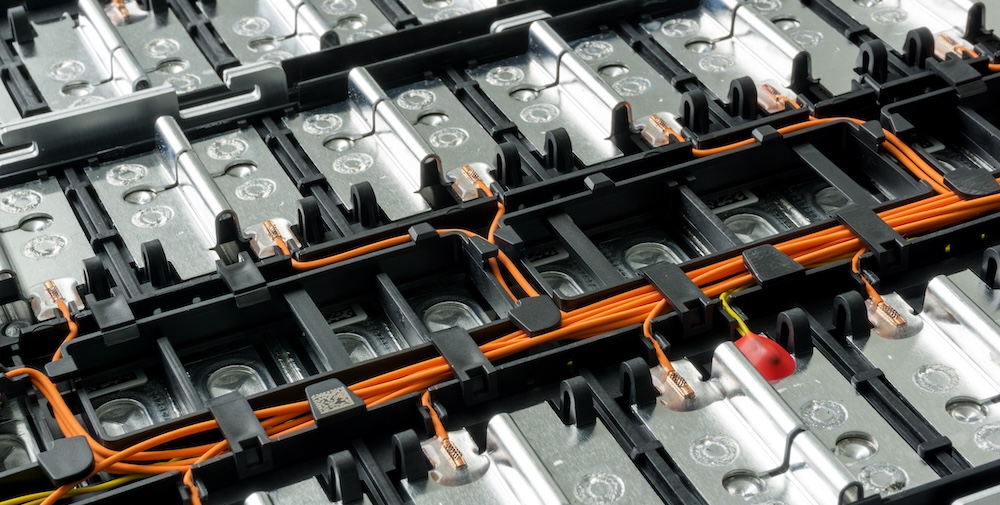
- Battery durability requirements for electric and plug-in hybrid vehicles, ensuring that battery performance remains above specified thresholds over time.
Euro 7 NOx limits by vehicle class
The finalised regulation does not introduce a single nitrogen oxide (NOx) limit across all vehicle types. The requirements vary by vehicle category, with the most significant reductions applying to heavy-duty vehicles.
- Passenger cars: NOx limits remain at Euro 6 levels – 60 mg/km for petrol vehicles and 80 mg/km for diesel vehicles – but must be met under broader testing conditions.
- Vans: NOx limits vary according to vehicle class, with limits broadly aligned with existing Euro 6 requirements but subject to the wider Euro 7 testing regime.
- Buses and lorries: NOx limits fall to 200 mg/kWh in laboratory testing and 260 mg/kWh under real-world driving conditions, compared with the Euro VI limit of 400 mg/kWh.
- Brake particle emissions: Euro 7 also introduces limits on particulate emissions from brakes, including 3 mg/km for electric cars and 7 mg/km for most other powertrains. For larger Class III vans, the limit is 5 mg/km for electric vehicles and 11 mg/km for other powertrains.
When does Euro 7 come into effect?
Under the adopted EU regulation, the implementation is expected to follow a phased timetable:
- 29 November 2026 – new passenger car and van types seeking type approval must comply
- 29 November 2027 – all new passenger cars and vans on sale must comply
- 29 May 2028 – new heavy-duty vehicle types, including lorries, buses and coaches, seeking type approval must comply
- 29 May 2029 – all new heavy-duty vehicles must comply
Although the UK is no longer part of the European Union, Euro 7 remains directly relevant to the UK automotive market. In Northern Ireland, EU vehicle type-approval requirements continue to apply. In Great Britain, Euro 7 does not currently apply, but the Department for Transport has proposed introducing equivalent requirements for new cars, vans, trucks, buses and coaches. The proposed approach would broadly align Great Britain with the EU timetable.
Why non-tailpipe emissions matter
A notable feature of Euro 7 is its focus on non-tailpipe emissions.
As exhaust emissions from modern vehicles have fallen significantly over successive Euro standards, regulators have turned greater attention to other sources of particulate pollution, particularly brake and tyre wear.
This is important because electric vehicles, despite producing zero tailpipe emissions, still generate particulate matter through tyre and brake abrasion. The additional weight associated with battery-electric vehicles can also increase tyre wear under certain operating conditions.
For suppliers and OEMs, this creates new areas of compliance beyond traditional powertrain engineering, with vehicle manufacturers needing to consider emissions from the vehicle as a whole rather than focusing solely on the exhaust.
What does Euro 7 mean for diesel engines?
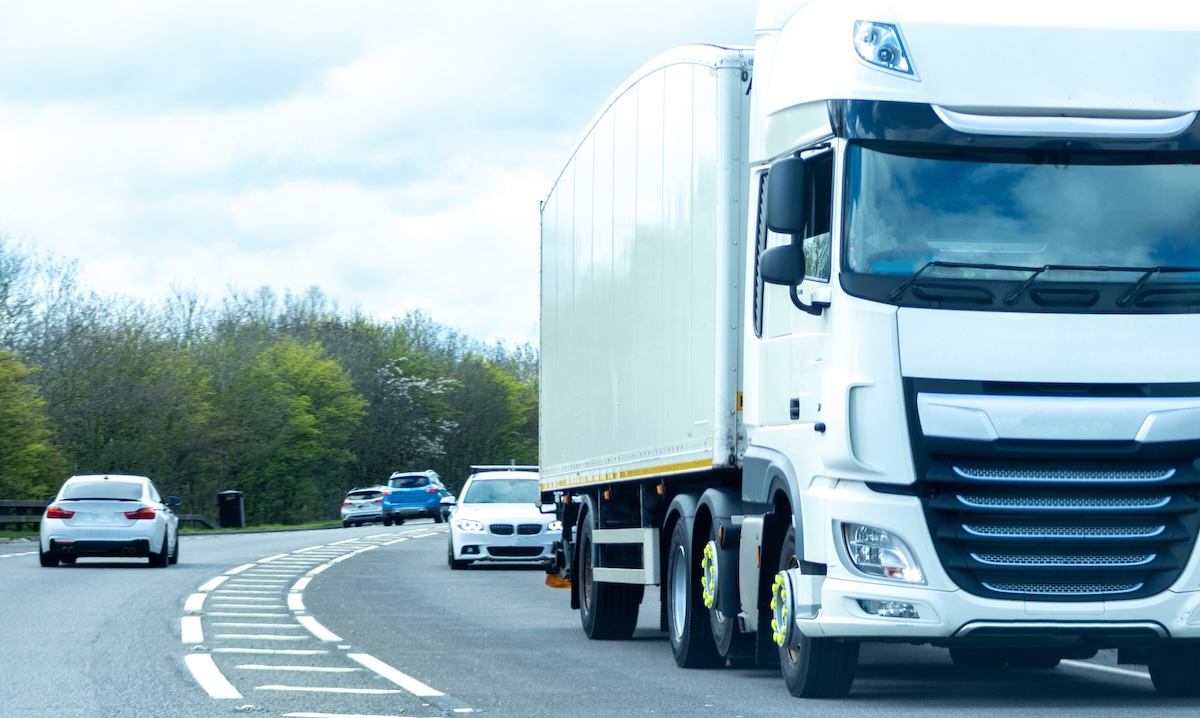
Diesel remains an important powertrain in several sectors, particularly for heavy duty commercial vehicles.
Euro 7 will create additional engineering and compliance requirements for diesel vehicles, particularly in heavy-duty applications where the regulation introduces more stringent pollutant limits. Manufacturers may need to further optimise emissions-control systems and thermal management to meet these requirements.
For some high-mileage commercial applications, diesel may continue to offer operational advantages for several years despite the changes. However, Euro 7 is likely to make the business case for diesel more dependent on duty cycle, utilisation and total cost of ownership considerations.
Fleets evaluating future powertrain strategies may also find it useful to consider how total cost of ownership is evolving across different vehicle technologies, particularly as regulatory compliance costs increase.
What should automotive businesses be doing now?
Although some implementation dates are still approaching, there are several practical actions that automotive businesses can begin considering now:
- Review fleet replacement strategies for the 2026–2029 period.
- Engage with OEM partners to understand upcoming Euro 7 product plans.
- Assess whole-life cost assumptions for future procurement exercises.
- Monitor residual value trends across ICE, hybrid and EV segments.
- Evaluate cross-border compliance requirements where vehicles operate internationally.
The Euro 7 standard represents one of the most significant developments in European emissions regulations for more than a decade. While the commercial impact will vary across vehicle segments, Euro 7 is set to become an increasingly important factor in vehicle development, fleet planning and used vehicle market dynamics throughout the remainder of the decade.
Stay up to date with the latest EV insights, market data and industry reports through the Cox Automotive EV Hub.
Euro 7 emissions standards FAQs
Does Euro 7 apply to electric vehicles?
Yes. Unlike previous emissions regulations, Euro 7 applies to battery electric vehicles (BEVs) as well as petrol, diesel and hybrid vehicles. While EVs do not produce tailpipe emissions, the regulation introduces new requirements covering brake particle emissions, tyre abrasion and battery durability to address their wider environmental impact.
Will Euro 7 ban petrol and diesel vehicles?
No. Euro 7 does not prohibit the sale of petrol or diesel vehicles. Internal combustion engine vehicles can continue to be sold across Europe provided they meet the relevant emissions and durability requirements. The regulation is designed to reduce pollutants, not eliminate specific powertrains.
Will Euro 7 affect existing vehicles already on the road?
No. Euro 7 applies to new vehicles entering the market, not vehicles already in use. Existing Euro 6, Euro 5 and older vehicles can continue to operate subject to local regulations, emissions-zone requirements and roadworthiness standards.
When will manufacturers need to comply with Euro 7?
The regulation is being introduced in phases. New passenger car and van types seeking approval must comply from 29 November 2026, while all new passenger cars and vans sold must comply from 29 November 2027. Heavy-duty vehicles, including buses and lorries, follow from 2028 and 2029 respectively.
Will Euro 7 increase vehicle costs?
Potentially. Meeting Euro 7 requirements may require manufacturers to invest in additional emissions-control technologies, battery durability measures and solutions to reduce brake and tyre particulate emissions. While the impact will vary by vehicle type and manufacturer, compliance costs are expected to become an increasingly important factor in future vehicle pricing and total cost of ownership calculations.
EV vs. ICE: Depreciation and residual values explained
Discover how EV residual values compare with ICE, what’s driving the shift and what this means for the industry.
Total cost of ownership (TCO) for EV fleet operators explained
Learn how EV fleet total cost of ownership (TCO) is calculated, including charging, maintenance, depreciation, insurance, tax and long-term savings.