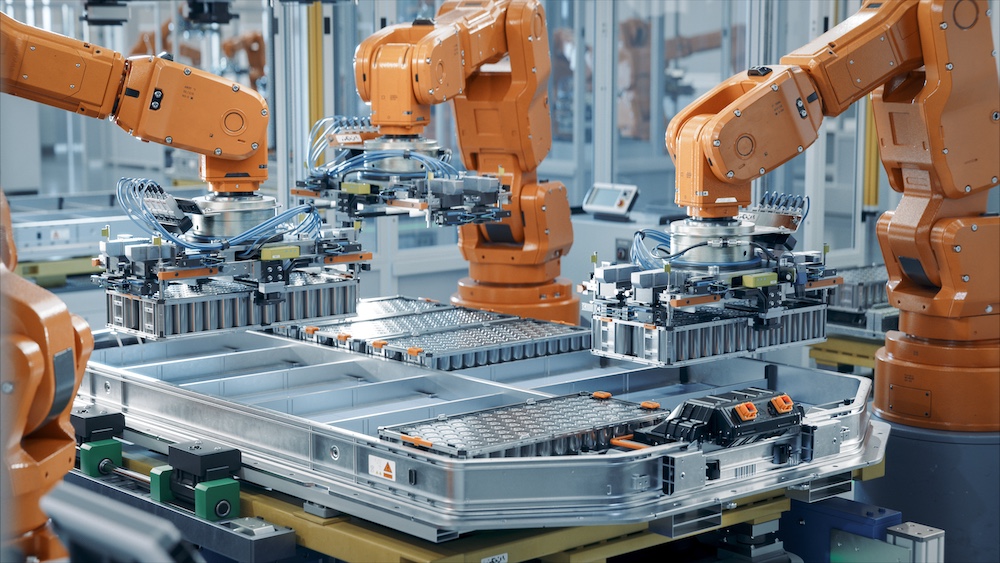
Battery second life explained: what happens to old EV batteries?

One of the most common questions surrounding electric vehicles is what happens to the battery when it reaches the end of its life. As Ev adoption increases, managing batteries beyond their use in automotive is becoming increasingly important.
An EV battery's useful life rarely ends when it leaves a vehicle. In many cases, batteries still retain a significant proportion of their original capacity and can continue to provide value in a range of other applications.
This growing opportunity has given rise to the battery second life market. Through reuse, refurbishment and recycling, retired EV batteries can support energy storage, reduce waste and help create a more circular approach to electrification.
As EV adoption continues to grow, understanding what happens to batteries after their first life will become just as important as understanding how they perform on the road.

What is battery second life?
Battery second life refers to the reuse of an EV battery after it is no longer suitable for automotive use.
Batteries are not typically removed from vehicles because they have stopped working altogether. Instead, they are often retired once their capacity falls below the level required to deliver the range and performance expected by drivers.
A battery that has lost a portion of its original capacity may no longer be ideal for powering a vehicle, but it can still have many years of useful service remaining in less demanding applications. This creates opportunities to extend the value of battery materials and components before they eventually reach the recycling stage.
How long do EV batteries last?
The EV battery lifespan is often longer than many expect, with studies showing that most batteries in consumer vehicles retain over 80% of their original capacity through the typical use period. While battery degradation is a natural process, modern lithium-ion batteries are designed to operate for many years and hundreds of thousands of miles. Advances in battery chemistry, thermal management and software have all helped improve durability and long-term performance.
A range of factors can influence battery health over time, so some loss of capacity is inevitable. However, most EV batteries retain a substantial proportion of their original performance well beyond the typical ownership period.
Increasingly the industry is looking at the valuable role an EV battery can play once its automotive life comes to an end.
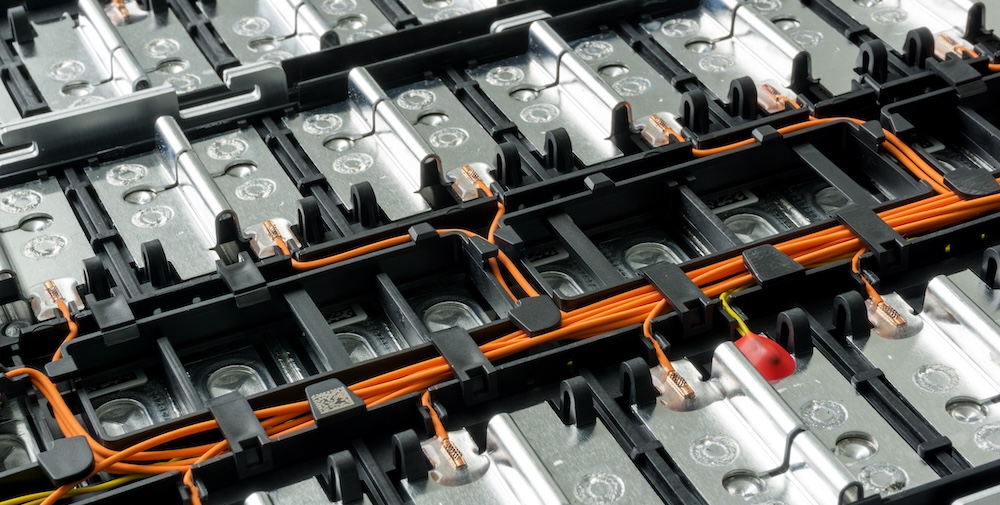
What happens to old EV batteries?
When a battery is removed from a vehicle, there are typically three possible outcomes: reuse, refurbishment or recycling.
The route taken depends largely on the battery's condition and, for businesses, economic considerations.
Reuse
Many batteries still retain sufficient capacity to support second-life applications without significant modification. In these cases, battery packs can be repurposed for stationary energy storage, where performance requirements are generally lower than those experienced in a vehicle.
Depending on the use case, either the complete battery pack, individual modules, or even individual cells are repurposed. This allows batteries to continue delivering value while helping reduce the demand for new raw materials.
Refurbishment
Some batteries may require repairs before they can be reused. Through refurbishment, individual modules or components can be tested, repaired or replaced to restore performance and extend operational life.
Refurbished EV batteries can then be redeployed in suitable applications, helping maximise the value extracted from existing battery assets.
Recycling
Eventually, a battery reaches the point where reuse is no longer viable or cost-effective.
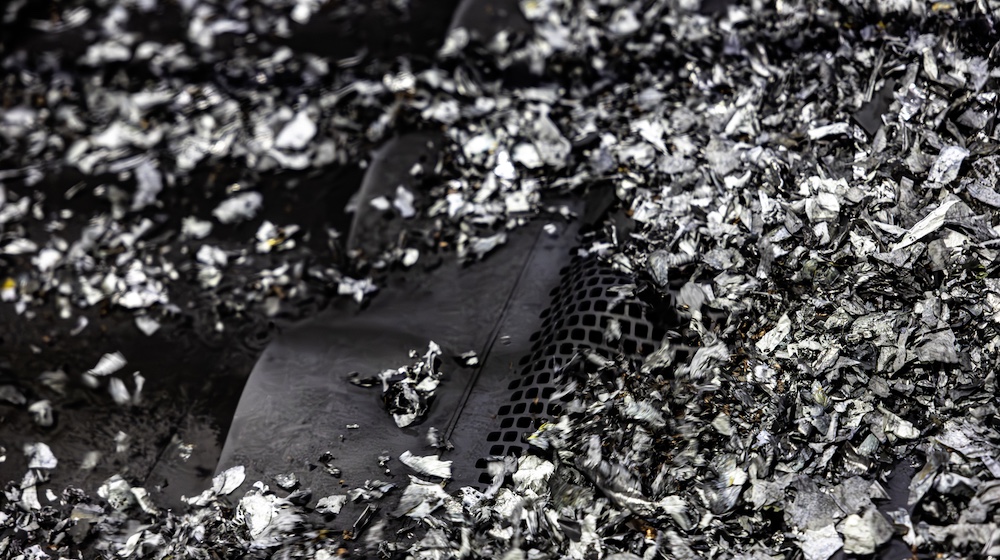
At this stage, recycling enables valuable materials such as lithium, nickel, cobalt and copper to be recovered and reintroduced into the supply chain. As battery volumes increase, recycling will play a critical role in reducing dependence on virgin materials and supporting the long-term sustainability of EV production.
Second life EV batteries and energy storage
One of the most promising applications for second life EV batteries is stationary energy storage.
Unlike vehicles, which require rapid charging, high power delivery and consistent performance, stationary storage systems operate under less demanding conditions. This makes them well suited to batteries that have experienced some degree of degradation.
Second-life battery systems can support a range of applications, including:
- Renewable energy storage
- Commercial and industrial energy management
- Peak demand reduction
- Backup power systems
- Grid balancing services
As renewable generation continues to expand, energy storage is expected to play an increasingly important role in balancing supply and demand, supporting a more flexible and resilient energy system. Second-life batteries offer a practical way to contribute to that challenge while extending the useful life of existing resources.
Why EV battery second life matters for sustainability
The sustainability benefits of EV battery second life extend far beyond individual batteries.
Producing lithium-ion batteries requires significant amounts of energy, materials and resources. Extending the operational life of those batteries helps maximise the value derived from that investment before recycling becomes necessary.
A second-life approach can contribute to sustainability in several ways:
- Reducing waste
- Extending the life of battery materials
- Supporting the circular economy
- Delaying the need for recycling
- Reducing demand for new raw material extraction
As governments and industries place greater emphasis on resource efficiency, the second life of EV batteries is increasingly viewed as a key component of a circular EV ecosystem.
Challenges facing the second-life battery market
There are several challenges that the industry is tackling.
One of the most significant is assessing battery health accurately. Determining the remaining capacity, performance and safety of a battery is essential before it can be reused or refurbished.
Standardisation also presents difficulties. Different manufacturers use different battery designs, chemistries and architectures, creating complexity for organisations involved in reuse and remanufacturing.
Logistics and transportation can present further challenges. EV batteries are large, heavy and subject to strict safety requirements throughout handling and transport.
Economic considerations are also important. As the cost of new batteries continues to fall, second-life applications must demonstrate a clear value proposition in order to remain commercially viable.
Alongside these challenges, regulatory frameworks continue to evolve. New requirements around battery traceability, sustainability and lifecycle management are likely to shape how the market develops over the coming years.

What does the future hold for battery second life?
The useful life of an EV battery does not end when it leaves a vehicle. Through reuse, refurbishment and recycling, batteries can continue delivering value long after their automotive service has ended.
As EV adoption accelerates, larger volumes of batteries will eventually become available for reuse, refurbishment and recycling. At the same time, advances in battery diagnostics, monitoring and remanufacturing technologies are making it easier to assess and extend battery life.
Growing demand for energy storage is also creating new opportunities for second-life applications. Businesses, utilities and energy providers are all exploring ways to integrate battery storage into their operations, helping create a strong market for retired EV batteries.
By extending the useful life of battery assets and reducing reliance on new raw materials, second-life applications can help improve sustainability across the entire EV ecosystem.
For more EV market insights, visit our EV Hub.
EV battery technology: innovations in range, chemistry and solid-state batteries
We explore how EV battery innovation is improving range, cost and performance.
Vehicle-to-grid (V2G): How EVs will power the energy transition
Learn how vehicle to grid is transforming EVs into energy assets, supporting the UK energy transition.