Maximising EV resale value: A practical checklist for retailers and fleets
Fleets and retailers should prioritise battery health transparency, consistent servicing and strong vehicle presentation to maximise EV resale value. Vehilces with accurate testing, complete documentation and high-quality preparation sell quicker for a better price, protecting margins across defleet and remarketing channels.
As used EV volumes rise across the UK, understanding what drives EV resale value has become essential for fleets, leasing companies and retailers. Early electric models from corporate and leasing contracts are now entering the secondary market in significant numbers, adding momentum to used supply.
At the same time, EV resale value is proving more sensitive to market shifts than ICE equivalents. Variations in battery condition, charging behaviour and vehicle software can have a meaningful impact on wholesale and retail pricing. Buyers also expect far greater transparency around battery state of health (SoH), degradation and testing documentation than ever before.
This guide provides a practical, operational checklist to help fleets, remarketing teams and retailers protect margins, strengthen sales readiness, and set consistent standards across their EV processes. From battery reports to reconditioning and presentation, it covers the steps that matter most to buyers.
Factors impacting EV resale value
Battery health remains the single biggest influence on EV resale value, shaping both confidence and price realisation. While exterior condition and specification still matter, buyers increasingly prioritise electric-specific indicators such as state of health, charge cycle data, and evidence of responsible charging behaviour. Even small variations in SoH can shift used EV values significantly, especially in price-sensitive segments.
An electric vehicle battery health check can provide clarity. Testing solutions now assess SoH, cell balance, charging patterns and any rapid charging impact, helping retailers set accurate valuations and helping buyers assess long-term usability. These checks also reduce uncertainty for fleet operators planning defleet schedules or negotiating end-of-contract settlements.
As the market matures, fleets and retailers are moving towards more consistent EV testing standards. A growing number of remarketing partners provide verified battery testing reports before listing vehicles, and auction buyers increasingly expect transparent condition data, not assumptions. In practice, transparent documentation is becoming just as important as the testing itself.
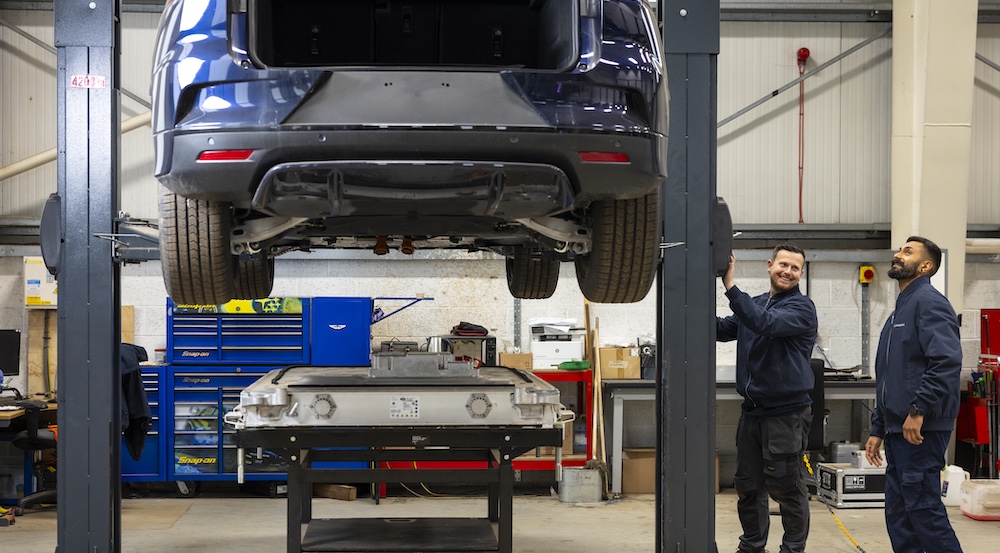
Maintenance and servicing: The backbone of EV remarketing value
Strong maintenance records remain one of the most reliable ways to protect EV residual value. While EVs have fewer moving parts than petrol or diesel vehicles, buyers still expect a complete and verifiable service history. Missing stamps, inconsistent intervals or incomplete digital records can quickly erode confidence.
Routine EV-specific checks also influence resale value:
- Battery cooling systems – essential for long-term performance and avoiding accelerated degradation.
- Tyre wear – EV torque and increased car weight can accelerate wear, so it’s essential that tyres are maintained and replaced accordingly.
- Brake maintenance – regenerative braking reduces wear but should still be inspected and logged.
Up-to-date software and firmware matter, too. Many EVs rely on scheduled updates that improve efficiency, performance and battery conditioning cycles. Using EV diagnostic tools to confirm that updates have been applied is now part of standard remarketing preparation for leading fleets.
Best practice for pre-defleet maintenance includes:
- Complete vehicle inspection report
- Confirmed software update status
- Documented battery cooling system service
- Tyres, brakes and consumables checked and replaced where needed
- Validation of digital service history and manufacturer records
These steps reassure both wholesale and retail buyers, supporting stronger bids and reduced time to sale.
Importance of electric vehicle battery health checks
Battery testing is rapidly moving from optional to expected. As the used EV market matures, buyers want clear, simple data that summarises the vehicle’s true condition. That’s where a battery report becomes invaluable.
A robust battery report typically includes:
- Verified state of health (SoH) expressed as a percentage
- Results from electric vehicle battery testing
- Charge cycle data and charging behaviour analysis
- Signs of battery degradation or imbalance
- Temperature profile and thermal management insights
This documentation directly enhances buyer trust. Retailers who provide transparent battery reports consistently achieve higher valuations and shorter days-to-sell, because they remove the uncertainty that suppresses pricing.
Wholesalers and auction platforms are also adopting standardised EV testing frameworks to ensure consistent outputs across fleets. For remarketing partners operating at volume, that consistency is essential: it simplifies pricing, reduces disputes, and builds confidence in condition assessments.
Fleets and retailers should ensure that battery documentation is presented upfront, ideally at listing stage, to maximise price realisation and buyer engagement.
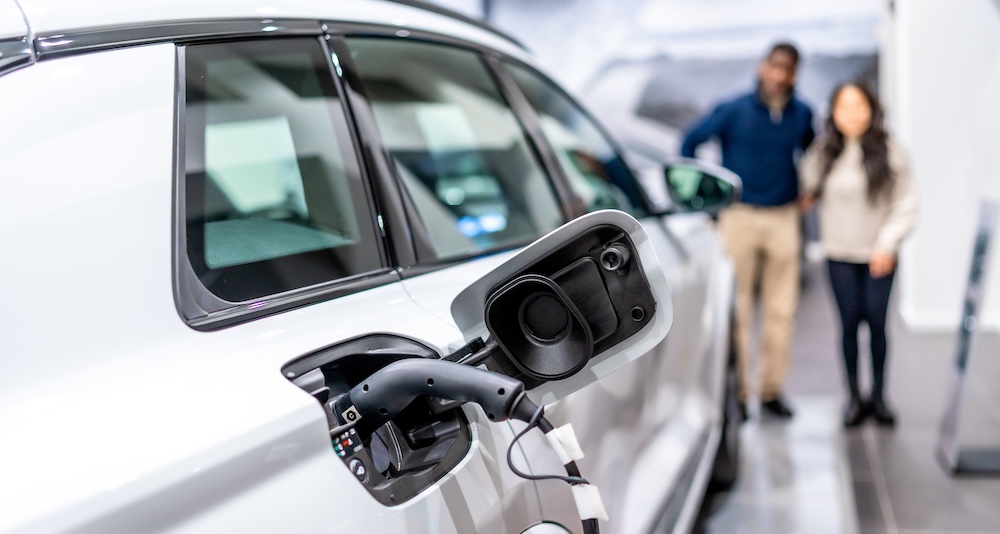
Preparing an EV for sale: Presentation, reconditioning and cosmetic standards
Presentation has always mattered in the used market, and it’s no different for electric vehicles. Strong presentation can lift used EV values, reduce time to sell and differentiate stock in a rapidly expanding market.
While many of these checks apply to both electric and ICE vehicles, a structured pre-sale preparation process should include:
Exterior inspection
- Panels, bumpers and trims checked for dents or damage
- Wheels inspected for kerb marks
- Windscreen and glass free from cracks or chips
- Lights, sensors and cameras tested and calibrated
Interior inspection
- Touchscreens and infotainment systems fully functional
- Fabrics, carpets and headliners cleaned with odour elimination
- Charging cables inspected and presented clearly
- Controls, switches and ADAS features tested
High-quality presentation signals responsible ownership, which is particularly influential for first-time EV buyers entering the used market. A consistent cosmetic appraisal process helps retailers set expectations internally and build trust with wholesale buyers.

Practical EV resale checklist for fleets and retailers
Below is a ready-to-use checklist designed for fleets preparing vehicles for defleet, and for retailers strengthening their EV remarketing processes.
Battery
- Confirm SoH reading
- Attach battery testing report
Charging & software
- Ensure firmware is up to date
- Provide proof of recent software updates
- Confirm correct charging cable type and condition
Maintenance
- Full service history requirements met
- Most recent inspection report included
- Evidence of tyre/brake checks
Tyres, brakes, consumables
- Minimum tread depth and even wear
- Brake system inspection completed
- Wipers, fluids and filters replaced if needed
Presentation
- Complete cosmetic appraisal
- Interior reconditioning completed
- Professional exterior detailing
- All vehicle documentation packaged clearly
Final remarketing steps
- High-quality photography
- Accurate, transparent descriptions
- Reserve price aligned with used EV values
- Listing includes battery health data and SoH
A consistent process improves sale readiness while protecting returns at both auction and forecourt.
Conclusion: Maximising EV resale values
Strong EV resale value comes from a combination of transparency, consistent maintenance and high-quality presentation. By prioritising battery testing, state of health documentation and complete service history, fleets and retailers remove the uncertainty that most affects EV residual value.
Structured processes – from pre-defleet servicing to cosmetic standards – help vehicles achieve stronger bids and faster sales. As battery degradation and performance variations become better understood, the retailers and fleet operators who follow clear testing standards will continue to see the highest returns.
For more EV market insights and guidance, visit our EV Hub.
EV resale value FAQs
What affects EV resale values the most?
Battery health is the biggest EV resale value influence, specifically the vehicle’s state of health (SoH) and charging behaviour. Complete and verifiable service history, up-to-date software, accurate documentation and strong vehicle presentation are also key considerations for buyers. Providing transparent battery data and consistent maintenance records then removes uncertainty, increases buyer confidence and supports stronger valuations across wholesale and retail channels.
What is included in an electric vehicle battery health check?
Typically, an electric vehicle battery health check includes a verified SoH percentage, detailed results from EV battery testing, charge cycle data, evidence of charging behaviour, insights into battery degradation, imbalance or thermal issues and a temperature and thermal management analysis. These reports provide a clear summary of the battery’s true condition, usually included in the form of an EV certificate, enabling more accurate pricing and helping buyers assess long-term usability.
Are EV battery tests a requirement when selling a used electric vehicle?
Electric vehicle battery testing is not legally required as it stands, however it is expected. Buyers want verified SoH and consistent data in line with recognised EV testing standards. Providing an EV battery report or certificate helps improve price realisation, reduces disputes during inspection or defleeting, while signalling that a vehicle has been responsibly maintained.
Is service history as important for EVs as for ICE vehicles?
Yes. While EVs require less mechanical maintenance, incomplete service history still reduces buyer confidence. For effective EV remarketing, records showing software updates, battery cooling system checks and diagnostic scans are increasingly important.
EV vs. ICE: Depreciation and residual values explained
Discover how EV residual values compare with ICE, what’s driving the shift and what this means for the industry.
Liam Quegan: EV remarketing – a sector in transition
Beyond the Battery, an EV Battery Solutions mini-series hosted by award-winning motor journalist, Erin Baker.